
remote support
“Al-Badr Smart Systems” always seeks to present the easiest and quickest ways of technical support to its respected customers.
And from the easiest ways of technical support which the company presents to its customers is the remote control of the device via the internet.
You can follow up the explained steps in this article on “Khebrat website” from HERE to enable the technical support and the remote controlling in the device easily.
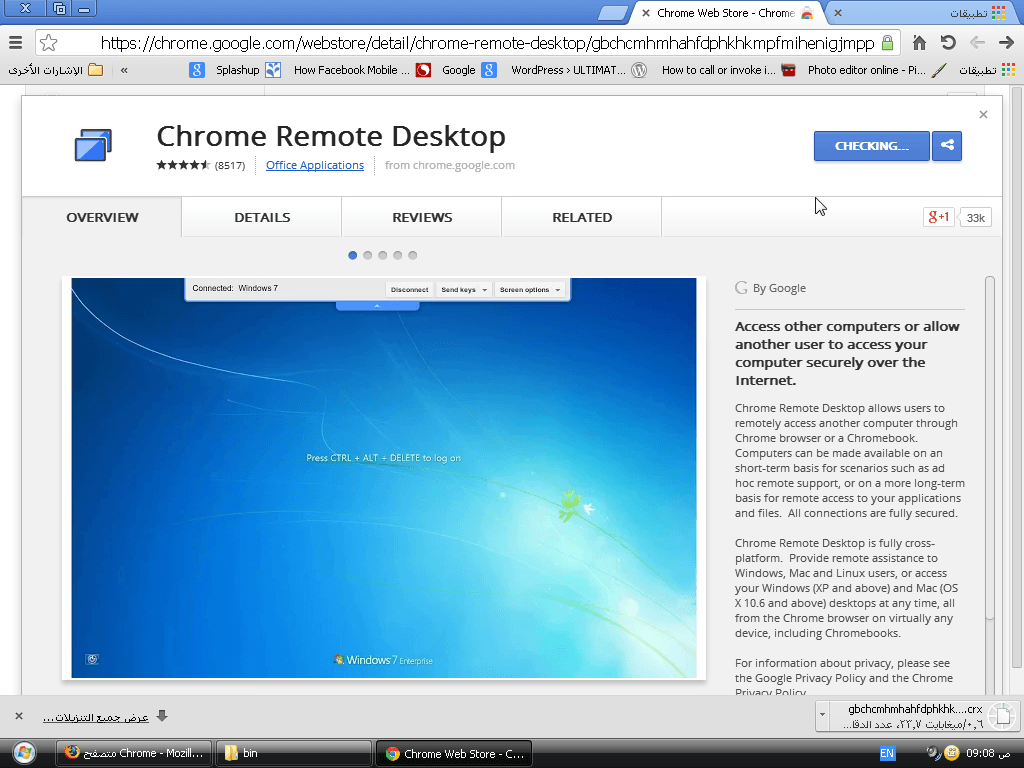
First, install “Chrome Remote Desktop” from (more tools, extensions, get more extensions then search for it) and communicate with the technical support of the company from HERE remote support
In the modern digital landscape, remote support has emerged as a cornerstone of efficient IT operations for businesses of all sizes across the globe. Al-Badr Smart Systems always seeks to present the easiest and quickest ways of technical support to its respected customers by integrating modern remote access tools and streamlining operational workflows. Implementing remote support allows organization IT technicians to diagnose, troubleshoot, and resolve complex software glitches without requiring physical presence on site. This approach to remote support drastically reduces operational downtime, ensuring that employees can resume their primary work responsibilities with minimal disruption to daily business productivity and service delivery. Through remote support, support engineers can gain authorized access to end-user workstations via encrypted connections to resolve system errors, update software drivers, and configure applications rapidly. As organizations transition toward decentralized and hybrid workforce models, the reliance on remote support becomes vital for maintaining continuous business operations across various geographic locations and branch offices. Ultimately, adopting remote support provides companies with an adaptable service framework that enhances IT department efficiency while significantly lowering travel and hardware maintenance expenses.
Furthermore, the operational flexibility offered by modern assistance infrastructure enables helpdesk agents to prioritize incoming service tickets based on issue severity rather than geographic proximity. When an enterprise deploys a structured network assistance architecture, technical experts can seamlessly handle concurrent user sessions, decreasing resolution times for routine maintenance tasks such as security patch deployments, operating system updates, and software configurations. This seamless connectivity transforms traditional, reactive helpdesk methodologies into proactive system management paradigms that prevent disruptions before they occur. By continually monitoring network performance, checking system event logs, and addressing potential software vulnerabilities in real time, IT teams prevent minor technical glitches from escalating into catastrophic network outages. Modern enterprises recognize that digital agility depends heavily on maintaining robust, uninterrupted workflows, making the rapid deployment of technical expertise an indispensable asset for sustained corporate productivity, technical resilience, and digital maturity.
In addition, establishing a centralized management hub allows IT supervisors to track performance metrics, assess first-contact resolution rates, and identify recurring user difficulties. This continuous monitoring capability ensures that helpdesk personnel receive targeted training, which ultimately improves overall service quality and end-user satisfaction. The integration of modern helpdesk tools with enterprise resource planning systems further streamlines asset management and inventory tracking, ensuring that software licenses and security updates remain uniform across all enterprise endpoints. By transforming how technical problems are identified and resolved, organizations foster a culture of technological reliability, operational excellence, and organizational agility. This strategic alignment between IT support functions and core business objectives empowers enterprises to navigate complex market environments while maintaining high standards of digital security, customer satisfaction, and operational continuity across all business units.
The technical deployment of remote support solutions relies heavily on secure communication protocols, cloud infrastructure, and lightweight software extensions. Al-Badr Smart Systems highlights that one of the easiest ways of technical support provided to customers is controlling the device via the internet using tools like Chrome Remote Desktop. Setting up remote support involves installing verified browser extensions or standalone client software that establishes an encrypted tunnel between the host machine and the technician. Once remote support is initiated, support personnel can navigate user interfaces, run diagnostic command scripts, and configure system parameters seamlessly from any location. Managing remote support session credentials carefully ensures that device control remains fully controlled and temporary, preventing unauthorized access after the assistance session ends. End users benefit from remote support by watching the technician perform fixes in real time, which fosters transparency, trust, and user confidence. Embracing remote support thus combines state-of-the-art security with extreme user convenience to optimize technical assistance across all digital environments.
To ensure seamless execution, modern IT service frameworks integrate robust encryption algorithms, such as AES 256-bit standards and multi-factor authentication protocols, to shield sensitive corporate data during active sessions. This high level of cryptographic protection guarantees that data transfers, screen-sharing streams, and administrative command executions remain impervious to malicious interception or unauthorized third-party monitoring. Furthermore, lightweight remote access applications are engineered to operate smoothly across low-bandwidth connections, ensuring that field agents and remote staff receive immediate assistance regardless of their geographic location or local internet quality. Interactive diagnostic features, including session recording, file transfer tools, and multi-monitor switching, empower helpdesk teams to perform comprehensive system audits without interrupting the user’s primary workflow, establishing a highly reliable environment for enterprise-level IT management.
Moreover, the architecture of modern remote connectivity tools emphasizes cross-platform compatibility, enabling IT personnel to assist users operating across Windows, macOS, Linux, iOS, and Android systems. This universal compatibility eliminates the operational complexity of managing disparate support tools for different operating hardware environments. Technicians can execute command-line scripts, adjust system registry settings, and manage background processes without causing visual distractions on the client’s screen. Automated updates to the remote software client ensure that connection protocols always incorporate the latest security patches and performance optimizations, reducing technical overhead and protecting endpoints against emerging cyber threats. This holistic technical design enables enterprise support operations to scale efficiently alongside business growth while maintaining strict compliance with corporate IT governance standards, reducing technical complexity, and supporting seamless collaboration across global engineering teams and customer service departments worldwide.
Organizational efficiency increases significantly when enterprise helpdesks integrate remote support into their primary service management platforms and ticketing systems. Utilizing remote support streamlines ticket resolution processes by eliminating the delays associated with dispatching field technicians to physical office locations or remote job sites. Through remote support, IT teams can simultaneously manage multiple user requests, escalating complex network issues to tier-three specialists while keeping routine fixes moving efficiently. The implementation of remote support also enables structured administrative oversight, allowing team leads to review active session logs, monitor service quality, and verify compliance with internal service level agreements. Training programs hosted via remote support allow technicians to guide end users through complex application workflows, promoting digital literacy and self-service capabilities across the workforce. Modern enterprise operations depend on remote support to maintain uniform system performance and security compliance across global office branches.
In addition to accelerating incident response times, centralizing support workflows provides IT administrators with valuable data insights regarding recurring system failures and software conflicts. By analyzing detailed session reports and ticket resolution metrics, organizations can identify underlying infrastructure bottlenecks, evaluate user pain points, and allocate IT resources more strategically. This data-driven approach to technical service management fosters continuous service improvement, allowing companies to upgrade outdated software applications, refine user access permissions, and deploy targeted employee training modules. Consequently, IT departments evolve from cost centers into strategic business enablers, delivering high-value technical guidance that aligns with overall corporate growth objectives and operational sustainability goals.
Furthermore, integrating remote assistance platforms with automated ticketing systems ensures that every incident interaction is meticulously logged, categorized, and tracked throughout its resolution lifecycle. This seamless workflow integration minimizes administrative overhead, allowing support specialists to dedicate more time to active problem-solving rather than manual data entry. Standardized knowledge bases built from historical resolution data allow technicians to quickly apply proven solutions to recurring issues, drastically reducing mean time to resolution. As a result, enterprises achieve higher levels of operational uptime, lower service desk operational costs, and deliver superior user experiences to employees and business partners alike. This comprehensive service architecture creates a sustainable foundation for ongoing technological adoption, digital maturity, and high-performance IT service management across diverse organizational structures and multi-regional business operations.
Cost reduction and resource optimization represent primary business drivers for transitioning to a remote support architecture within modern enterprise operations. Businesses leveraging remote support eliminate unnecessary travel expenses, hardware transportation logistics, and on-site service fees associated with traditional technical maintenance models. The financial benefits of remote support extend to reduced system downtime, as rapid incident resolution prevents lost revenue caused by halted workflows and inactive personnel. Incorporating remote support into business continuity plans guarantees that technical teams can sustain critical system maintenance during emergencies, public disruptions, or severe weather events. Small and medium-sized enterprises profit greatly from remote support because it allows them to access enterprise-grade technical expertise without maintaining large, expensive on-site IT teams. Investing in remote support delivers measurable return on investment through optimized labor utilization, reduced overhead, and accelerated problem resolution.
Beyond direct financial savings, optimizing technical support delivery yields substantial ecological benefits by reducing the carbon footprint associated with technician travel. Organizations striving to achieve corporate sustainability targets find that replacing physical maintenance visits with digital resolution channels significantly lowers vehicle emissions and fuel consumption. Furthermore, the operational agility gained from remote troubleshooting enables organizations to extend the operational lifespan of existing hardware inventory through timely software updates and proactive system optimization. By maximizing asset performance and minimizing resource expenditure, companies establish a sustainable IT management framework that supports long-term operational resilience and fiscal responsibility.
Additionally, the strategic reallocation of saved financial and human resources allows companies to invest more heavily in core business innovations, strategic research, and digital transformation initiatives. Rather than dedicating significant portions of the annual IT budget to routine maintenance and emergency travel expenses, leadership teams can channel funds into cloud migration, cybersecurity fortification, and advanced software adoption. This shift in capital expenditure not only improves the company’s competitive positioning within the market but also accelerates overall digital maturity, ensuring that the organization remains agile and responsive in a rapidly evolving commercial environment. Consequently, adopting a modern service infrastructure provides businesses with the financial flexibility required to sustain long-term growth, improve operating margins, and deliver exceptional value to stakeholders remote support.
Security architecture plays a pivotal role in ensuring that remote support operations comply with rigorous international data protection regulations and industry standards. Configuring remote support within compliance frameworks requires strict adherence to granular session logging, end-to-end data encryption, and role-based access controls. Administrators managing remote support must enforce multi-factor authentication to verify the identity of technical personnel prior to granting system access or elevated privileges. Transparency during remote support sessions is preserved by prompting local device users to explicitly grant permission before remote control is transferred to the helpdesk technician. Organizations deploying remote support conduct regular security audits to identify potential vulnerabilities within connection broker configurations, network firewalls, and endpoint extensions. Prioritizing cybersecurity standards in remote support builds long-term trust between service providers and end users while shielding proprietary corporate data from unauthorized exposure remote support.
Adhering to strict compliance frameworks, such as GDPR, HIPAA, PCI-DSS, and ISO/IEC 27001, ensures that sensitive customer information and proprietary corporate data remain fully protected against unauthorized exposure. Enterprise-grade remote desktop solutions incorporate automated session termination timers, session watermark displays, and strict access permission toggles that restrict technicians from viewing confidential files unless explicit consent is provided. Moreover, comprehensive audit trails automatically document every command executed, configuration modified, and file transferred during a remote intervention, providing immutable records required for regulatory compliance reporting. This rigorous security posture ensures that technical assistance remains safe, transparent, and aligned with global governance standards.
Furthermore, implementing Zero Trust Network Access principles within the remote assistance architecture ensures that connections are continuously evaluated based on identity, device health, and contextual risk parameters. By treating every connection attempt as potentially untrusted, organizations prevent lateral threat movement across internal networks even if an endpoint device becomes compromised. Continuous encryption verification, coupled with automated vulnerability scanning on remote endpoints, creates a multi-layer defense mechanism that mitigates cybersecurity risks while enabling uninterrupted technical assistance across distributed workforce environments. This robust security approach safeguards organizational integrity while facilitating flexible, efficient assistance services across globally connected enterprise environments remote support.
The future trajectory of remote support is increasingly shaped by artificial intelligence, automated diagnostics, and cloud-native service platforms. Emerging trends in remote support incorporate predictive analytics to identify hardware degradation before catastrophic failures disrupt corporate workflows and employee productivity. Intelligent automated tools embedded within remote support can perform background system checks, resolve common registry errors, and update security definitions automatically without requiring human intervention. Next-generation remote support solutions leverage augmented reality interfaces, enabling technicians to visually guide field workers through physical hardware replacements and complex maintenance tasks. As remote and hybrid work structures become permanent global realities, remote support will remain an essential pillar of digital workspace infrastructure and employee enablement remote support. Organizations that continuously modernize their remote support strategies will maintain a competitive advantage through superior operational agility, data security, and service reliability.
As cloud ecosystems continue to mature, the integration of serverless architectures and microservices will further enhance the scalability and responsiveness of global technical assistance networks. Future infrastructure platforms will seamlessly connect IT specialists with IoT devices, industrial machinery, and smart edge equipment, extending troubleshooting capabilities far beyond traditional desktop and mobile environments. Machine learning algorithms will analyze real-time diagnostic telemetry to suggest optimal remediation steps to helpdesk operators instantly, reducing human error and accelerating complex problem resolution across complex network environments remote support.
Furthermore, natural language processing chatbots integrated into remote helpdesk portals will handle initial user intake, triage tickets based on sentiment and urgency, and automatically execute routine remediation scripts. This intelligent automation frees human specialists to focus on high-impact strategic initiatives and complex architecture challenges. As technology continues to evolve, the seamless convergence of AI, edge computing, and real-time remote connectivity will redefine how technical assistance is delivered, empowering businesses to achieve unprecedented levels of operational efficiency and technology-driven resilience across global markets. This dynamic evolution ensures that virtual troubleshooting methodologies remain vital to continuous enterprise innovation, operational excellence, and performance optimization remote support.

